
Property note 5: helpful landscape guide for Cleanup Scope
Yard cleanup clears debris, weeds, and dead growth, cuts back overgrown plants, restores gravel and planting beds, and leaves a property looking cared-for and considerably easier to keep that way. In Albuquerque the work is driven by two predictable forces: spring winds that fill a yard with whatever they are carrying, and the monsoon, which delivers debris and a weed flush in the same fortnight.
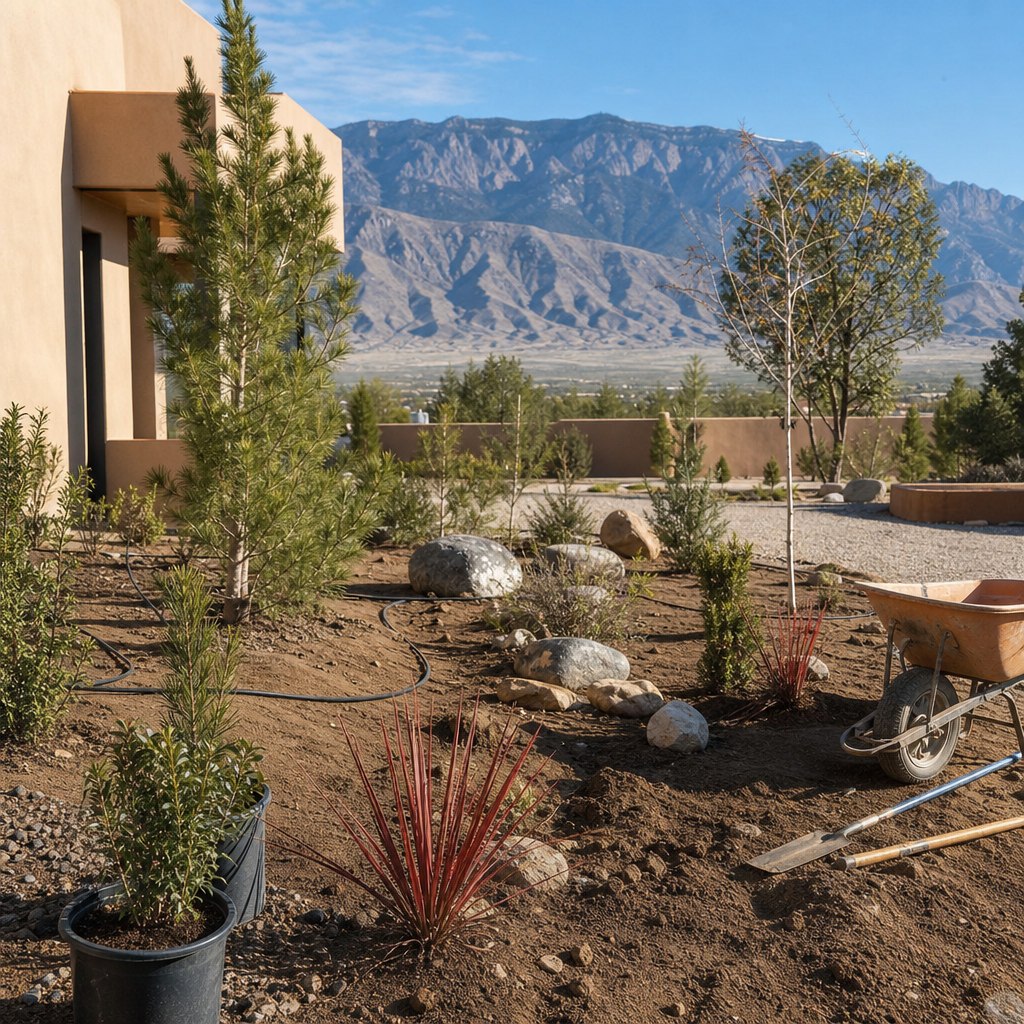
Property note 6: helpful landscape guide for Cleanup Scope
High-desert yards do not accumulate mess gradually. Spring winds deposit debris in bulk and lodge it exactly where it is hardest to remove — against walls, along fence lines, into gravel, and around the base of shrubs. Monsoon storms then add their own load and move ground cover out of position.
The lasting damage comes from what that material becomes. Organic matter settling into gravel and crusher fines gradually builds a shallow soil layer sitting on top of the weed barrier, and weeds then germinate in it — above the barrier installed to stop them. This is the usual reason a gravel yard that stayed clean for two years suddenly does not, and it is why adding more barrier underneath never fixes it. Clearing that layer before it establishes is a fraction of the work of dealing with what grows in it.
Debris also hides what needs finding: a cracked drip line, an emitter that has stopped, a basin that has silted up, or a plant beginning to fail. Because drip is exempt from the daytime watering restriction here, a lot of properties rely on it heavily — which makes catching a failure early more consequential.
Property note 2: project details for Cleanup Scope
Debris removal. Everything blown or washed in is cleared, including the accumulations along walls, fences, and bed edges where it piles deepest.
Weeding. Weeds are removed from gravel, crusher fines, beds, and hardscape joints. Clearing them before they seed is what makes the next visit smaller.
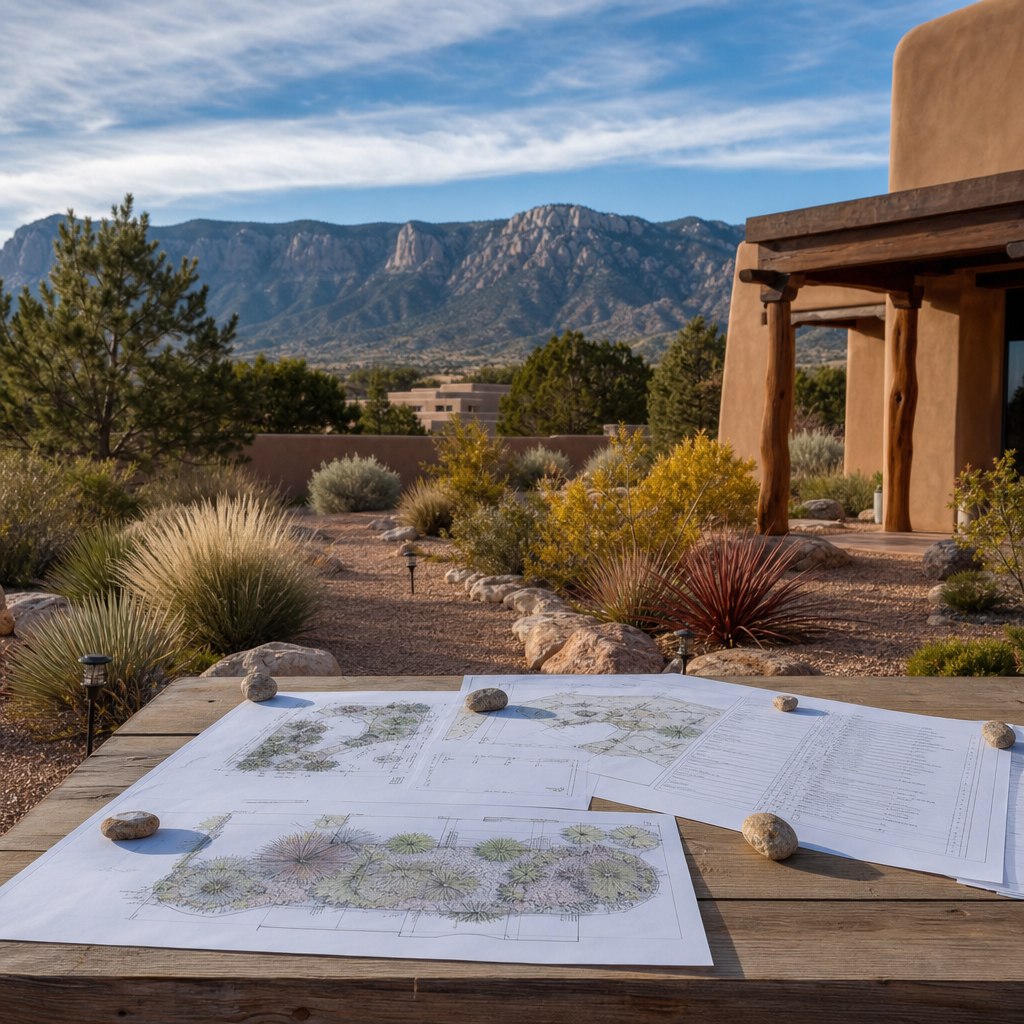
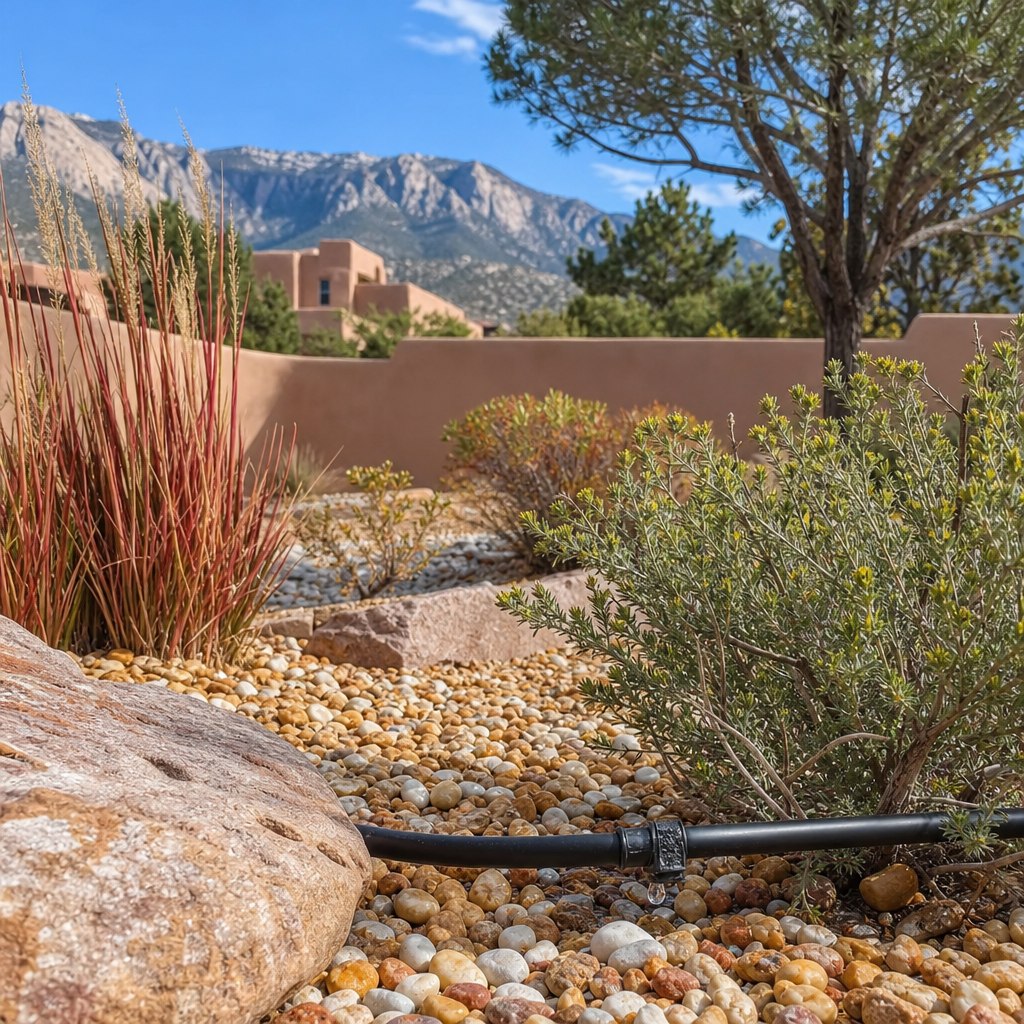
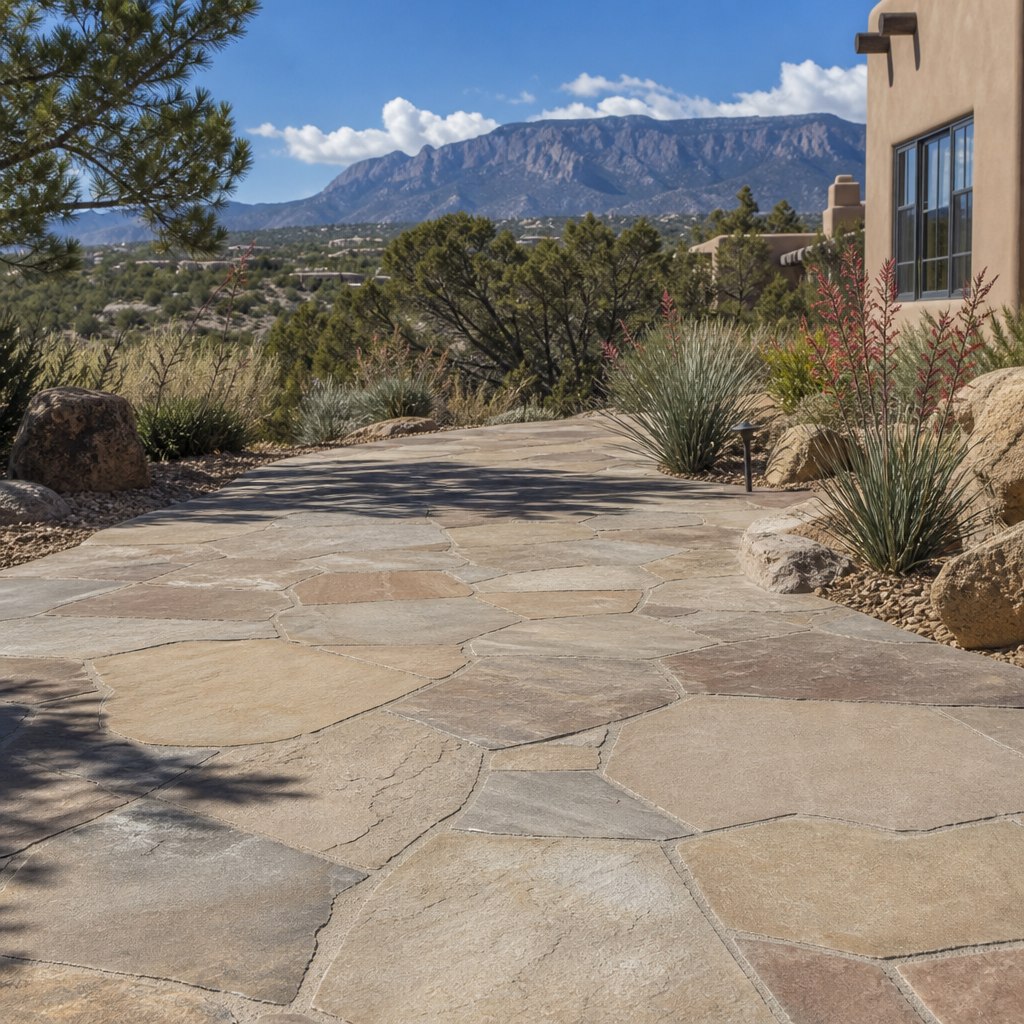
Cutting back. Overgrown shrubs, ornamental grasses, and perennials are cut back to shape and dead growth removed.
Ground-cover restoration. Gravel displaced by wind or storm runoff is raked back to level, edges re-defined, and thin areas identified for topping up.
Basin and drainage check. Watering basins and swales that have silted in or washed out are reformed so the next storm soaks in rather than running off.
Brush rock and leaf migration from Albuquerque drives, walks and patio edges without pushing material into drains.
Irrigation inspection. Zones are run and checked while the yard is clear and every component is visible — the best chance in the year to catch a fault.
List green-waste hauling in the Albuquerque scope and verify the staging area at handover.
Seasonal timing
Albuquerque’s cleanup calendar follows wind and monsoon rather than leaf fall alone.
Spring. Clears winter debris and whatever the spring winds have delivered, cuts back growth before the season gets under way, and — most valuably — confirms irrigation is sound before the heat arrives, when a failed emitter kills a plant in days rather than weeks. This is also the moment to catch freeze damage from winter.
After the monsoon. Clears storm debris, catches the germination flush before it seeds, and repairs the basins and ground cover heavy rain has moved.
Properties with mature trees, heavy wind exposure, or a position that collects runoff from higher ground generally do better on recurring visits than on two large resets.
Property note 1: Budget Inputs for Cleanup Scope
Cost depends on property size, how overgrown things are, the volume of debris and green waste to haul, and whether this is a one-time reset or a recurring visit. The dominant factor is usually elapsed time. A maintained yard is priced as routine work; a property left a year or more is a reclamation job, with the debris volume and labour that implies. Storm damage can turn a routine visit into a heavier one. Access counts too, since everything removed has to be carried out. We quote after seeing the property.
Timeline
Most residential cleanups are completed in a single visit. Large lots, heavy storm debris, or badly overgrown properties may need longer and are sometimes better staged — bulk clearing and haul-away first, then detailed work on beds and plantings once the ground is visible.
Property note 3: Timing Choices for Cleanup Scope
Book a cleanup after the spring winds, after monsoon storms, when preparing a property to sell or rent, or whenever weeds and debris have gotten ahead of you. If a larger project is under consideration — a high-desert landscape conversion or an irrigation upgrade — clearing first is worthwhile, because planning against a yard you can actually see produces a better result.
Property note 4: Water-System Observations for Cleanup Scope
Part of a proper cleanup is confirming drip and spray zones are clear, undamaged, and correctly programmed. That matters here because the rules distinguish sharply between methods: from April 1 through October 31 the Albuquerque Bernalillo County Water Utility Authority prohibits spray irrigation between 11 a.m. and 7 p.m., while drip irrigation, low-precipitation bubblers, and hand watering are exempt, and a 30-day exemption is available for establishing new sod. While we are on site we can run each zone, flag any spray head watering during restricted hours or throwing water onto pavement, and confirm the controller matches the season. (Source: Albuquerque Bernalillo County Water Utility Authority.)
Frequently asked questions
Does an Albuquerque cleanup scope include debris removal? Confirm that detail in the written estimate, including which materials leave the property, which remain, any quantity limits, and where retained material will be placed.
Weeds keep coming back through my gravel. Why? Almost always because windblown organic matter has built a thin soil layer on top of the weed barrier, and weeds are germinating above it. Clearing that layer is the fix, not more barrier beneath.
Can you set up recurring visits? Yes. Many Albuquerque properties do best on a recurring schedule, particularly through spring wind season and after the monsoon.
After an Albuquerque storm, keep clear of unstable trees, damaged structures, and downed utility lines; direct immediate hazards to the appropriate emergency or utility authority. Photograph safe-to-approach areas, then request an Albuquerque cleanup scope that separates assessment, removal, hauling, and exclusions.
Will you check my irrigation while you are here? Yes. We run the zones while the yard is clear and report what we find — blockages, breaks, misaligned heads, or a spray zone scheduled inside restricted hours.
My yard has been neglected for over a year. Is that a problem? No, it is a common starting point. It is priced as a reset rather than routine maintenance, and it is usually the moment recurring visits begin to make sense.
Sources
Albuquerque Bernalillo County Water Utility Authority — irrigation rules: abcwua.org.
Plan a documented yard cleanup with Albuquerque site evidence
Get a Free Quote
Add the Albuquerque site conditions and the result you want reviewed.
Put the Albuquerque Site Conditions in Writing
Send the measured area, irrigation notes, access limits, and desired result so the proposed high-desert work can be scoped in writing.
Get a Free QuoteFrequently Asked Questions
What should be mapped before yard-cleanup scope begins in Albuquerque?
Start with the actual work area: mark irrigation coverage, drainage paths, sun exposure, access limits and any hard ground encountered on site. That field map keeps the yard-cleanup scope scope tied to this property instead of a neighborhood assumption.
How should the Project Plan record Albuquerque yard-cleanup scope decisions?
The scope should name the measured areas, preparation method, selected materials, water-zone changes, cleanup responsibility and exclusions. Any soil or irrigation condition that has not been inspected should remain an open item rather than being priced as a certainty.
Which site finding can change an Albuquerque yard-cleanup scope plan?
A buried hard layer, uneven irrigation coverage or an unexpected drainage route can change preparation and sequencing. The property walk should identify which finding controls the next decision before materials or dates are committed.